

COSMETIC:
(888) 803-3762
MEDICAL:
(519) 836-8558

11
Aug
Morpheus8 in Guelph: A Dermatologist’s Complete Guide
TL;DR: Morpheus8 is a radiofrequency microneedling device that remodels collagen from below the surface, with next-day-to-a-few-days social downtime and results that build over 3-4 months. The evidence behind its device class is genuinely strong, including a 2026 trial matching fractional CO2 laser for acne scars with an easier recovery. But it’s also a device the FDA issued a safety communication about in late 2025, because outcomes depend heavily on who’s holding it and how it’s set. That’s the honest version, and it’s why this guide covers the risks most clinic pages skip.
In my experience, Morpheus8 is the most-asked-about treatment in our Guelph practice. The questions are usually the same three: does it actually work, what does it feel like, and is it safe? Fair questions, all of them. In 2026, the answers exist in published research rather than marketing copy, and some of them are more interesting than the marketing version.
Here’s the complete picture, from deRMA Skin Institute: what the device does, what the clinical evidence shows, what treatment and recovery genuinely look like, and the safety conversation that regulators opened in 2025, which every prospective patient deserves to hear.
Key Takeaways
Morpheus8’s device class (RF microneedling) matched fractional CO2 laser for acne-scar improvement in a 2026 randomized trial, with faster recovery and fewer pigment problems (Journal of Dermatological Treatment, 2026).
In a 356-patient study, acne treated with this technology had a 24% three-year relapse rate versus 67% with isotretinoin (Aesthetic Surgery Journal, 2025 — authors are device-company consultants, disclosed below).
Expect 2-5 days of social downtime and results that develop over 3-4 months as collagen rebuilds (Aesthetic Surgery Journal, 2019).
The FDA issued a safety communication about RF microneedling in October 2025 — the risks are real, uncommon, and heavily operator-dependent, which is exactly why credentials matter (FDA, 2025).
What Is Morpheus8, Exactly?
Morpheus8 is a fractional radiofrequency microneedling device. In plain terms: an array of 24 fine, coated needles enters the skin and delivers radiofrequency energy at controlled depths, coagulating and contracting the deeper tissue while triggering the skin’s wound-healing response — new collagen, new elastin, new microcirculation (Aesthetic Surgery Journal, 2019; a study co-funded by the manufacturer, as most early device research is).
However, two design details matter more than the branding:
- Depth is adjustable — roughly 1-4 mm on the face applicator, deeper with the body applicator. Consequently, the operator can treat delicate periorbital skin and thicker jawline tissue differently in the same session.
- The energy reaches layers surface treatments can’t. That’s where its skin-contraction effects come from, and also why settings matter so much (more on that below).
Regulatory grounding, since patients ask: the device family is licensed by Health Canada and cleared by the FDA for dermatologic procedures involving soft-tissue coagulation and contraction. Note what that careful wording means: clearances describe the procedure, not promises about specific cosmetic outcomes. Any clinic phrasing it as “approved for jawline sculpting” is stretching a regulatory fact into a marketing one.
What Does the Evidence Actually Show?
So does it work? The strongest evidence sits at the device-class level — RF microneedling as a category — and it’s genuinely good. In a 2026 randomized split-face trial, RF microneedling matched fractional CO2 laser for atrophic acne scars (roughly 44% vs 42% scar-score reduction over three sessions) while producing shorter redness, less swelling, and fewer pigment problems (Journal of Dermatological Treatment, 2026). A 2025 systematic review spanning 16 studies and 481 patients confirmed it works as a standalone scar treatment (Clinical, Cosmetic and Investigational Dermatology, 2025). And across 35 studies in medium-to-deep skin tones, pigment changes were transient in nearly every reported case (Dermatologic Surgery, 2023). For our full comparison against CO2, Fraxel, and PRP, see the resurfacing decision guide.
Meanwhile, Morpheus8-specific studies add texture to that picture, with a disclosure that honest medicine requires: most were authored by consultants to InMode, the manufacturer. Therefore, treat their numbers as promising rather than definitive. The most striking is a 2025 study of 356 acne patients: three years after treatment, only 24% of the Morpheus8-treated group had relapsed, versus 67% treated with isotretinoin and 75% with ablative laser — and the 139-patient device cohort reported zero cases of post-inflammatory hyperpigmentation, including patients with deeper skin tones (Aesthetic Surgery Journal, 2025).
One honest gap the marketing never mentions: there is no fully independent randomized trial of Morpheus8 alone for facial laxity yet. The tightening evidence comes from combination studies and device-class research. It’s a reasonable treatment with real supporting data — it just isn’t the “clinically proven miracle” of the ads.
The Safety Conversation Most Clinics Skip
In October 2025, the FDA issued a safety communication about RF microneedling devices, citing reports of burns, scarring, fat loss, and nerve damage from certain uses (FDA Safety Communication, 2025). If you’re researching Morpheus8, you deserve to know that — and to understand what it does and doesn’t mean.
First, what the adverse-event data actually shows. A 2026 analysis of the FDA’s voluntary reporting database found 114 reports over twelve years across all RF microneedling devices. Textural changes, pigment changes, and facial fat loss were the most-reported problems (Dermatologic Surgery analysis, via Medscape, 2026). Important context cuts both ways. These databases can’t calculate risk rates (no one knows how many total treatments occurred), and reporting is voluntary, so the true number is likely higher — but against millions of treatments, serious events remain uncommon.
Here’s the part that should shape your decision. The same body of evidence says these outcomes are heavily operator- and settings-dependent. For instance:
- FDA clearance documents restrict higher energies in deeper skin tones.
- Published low-energy protocols exist specifically because aggressive settings can damage the fat layer that keeps a face looking youthful.
- Devices with continuous impedance monitoring showed fewer adverse events in the 2026 conference analysis.
In our clinic, this is exactly why every Morpheus8 plan starts from the skin in front of us rather than a preset. The American Academy of Dermatology’s response to the FDA said it plainly: board-certified dermatologists’ training in skin structure and facial anatomy is precisely what minimizes these risks and manages complications when they occur (AAD statement, 2025).
That’s not a scare story. It’s the strongest argument in this entire guide for where you get treated mattering more than whether you get treated.
What Treatment at deRMA Actually Looks Like
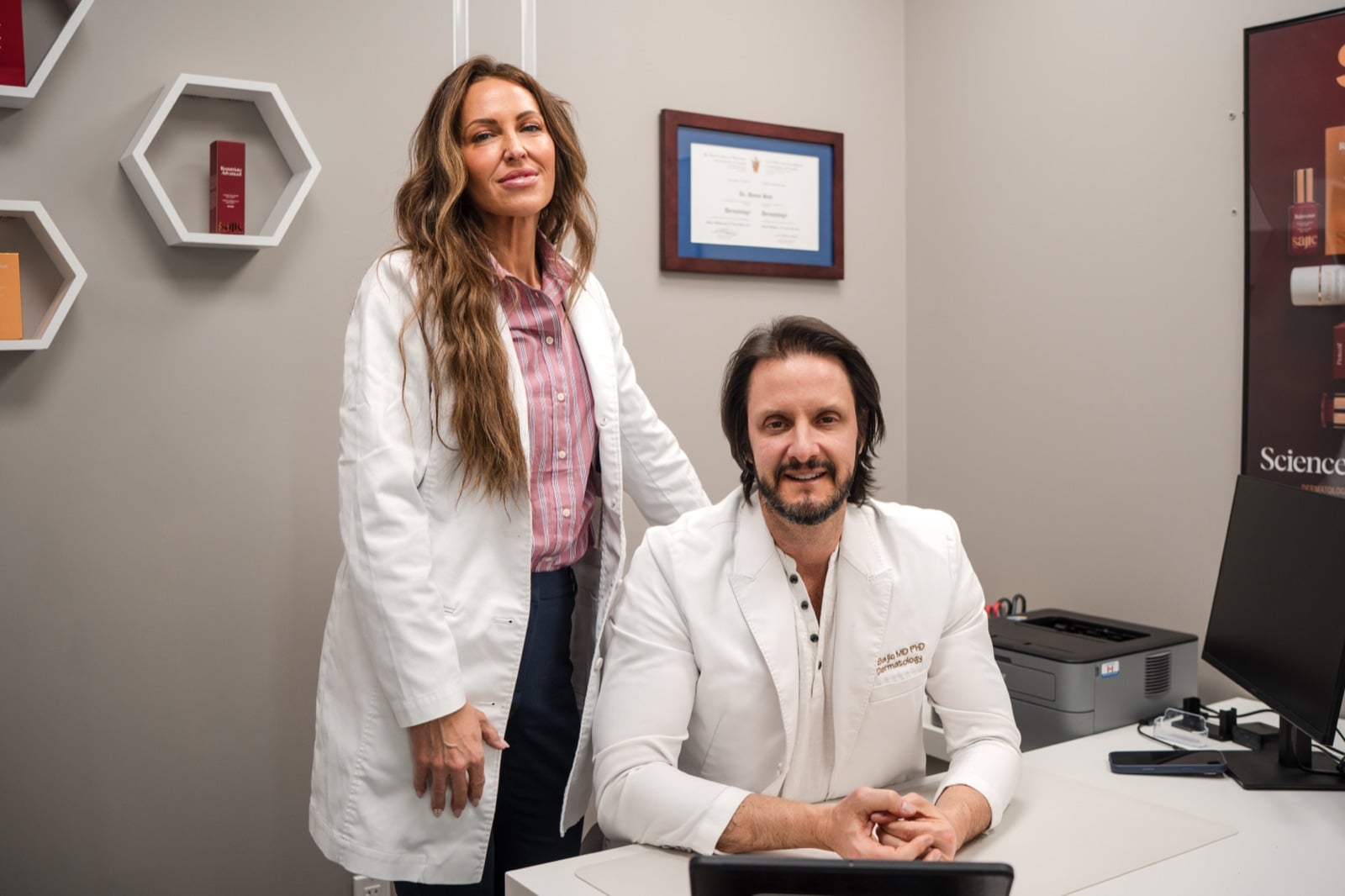
It starts with an assessment, not a booking. Skin laxity, scar pattern, skin tone, and medical history all change the settings — and sometimes the honest answer is that a different treatment fits better. Our resurfacing comparison covers those trade-offs.
The session itself: topical numbing cream sits for roughly 45-60 minutes, then treatment typically takes well under an hour for the face. Published protocols run 1-3 sessions spaced 3-6 weeks apart for rejuvenation, with acne and scar protocols typically at 3-4 sessions (Aesthetic Surgery Journal, 2019; 2025).
Recovery, honestly: expect redness, swelling, and fine micro-crusting for several days. The microneedle channels close within 1-3 days — makeup and sunscreen resume after that — and most people are socially comfortable within 2-5 days (Aesthetic Surgery Journal, 2019).
Results timeline: this is collagen remodeling, not an instant filter. Improvement builds over 3-4 months as new collagen and elastin form, which is why studies measure outcomes at the three-month mark (Plastic and Reconstructive Surgery Global Open, 2020). You can see our patients’ outcomes in the Morpheus8 before-and-after gallery.
Who Is (and Isn’t) a Good Candidate?
In my experience, Morpheus8 fits best for mild-to-moderate skin laxity, acne scarring, and texture concerns — and, similarly, for patients whose skin tone or schedule makes aggressive lasers a poor fit. The skin-of-color evidence is a genuine advantage: it’s one of the better-studied energy treatments for Fitzpatrick types III-VI, provided settings are adjusted appropriately, which is a clinical judgment call rather than a preset.
It’s the wrong tool when laxity is advanced (surgical or combination territory), when expectations are set to “facelift,” or when a scar pattern would respond better to a different modality — icepick-dominant scarring, for instance, often needs a combination plan. And per the safety section above: whoever treats you should be able to explain why their settings fit your skin, not just that the machine is new.
Request a consultation and we’ll assess whether Morpheus8 — or something better suited — fits your skin, at our RF microneedling service in Guelph, also serving Kitchener-Waterloo.
Frequently Asked Questions
How many Morpheus8 sessions will I need?
Published protocols typically run 1-3 sessions spaced 3-6 weeks apart for skin rejuvenation, and 3-4 sessions for acne and acne scarring (Aesthetic Surgery Journal, 2019; 2025). Your plan depends on your skin’s laxity, scar pattern, and treatment goals.
How long is Morpheus8 downtime?
Most patients are socially presentable within 2-5 days. The microneedle channels close within 1-3 days, after which makeup and sunscreen can resume; mild redness, swelling, and micro-crusting are normal in that window (Aesthetic Surgery Journal, 2019).
When will I see results?
Gradually, over 3-4 months. Radiofrequency microneedling works by triggering new collagen and elastin production, and studies measure outcomes at the three-month mark for that reason (Plastic and Reconstructive Surgery Global Open, 2020). Some early tightening can appear sooner, but the remodeling takes months.
Is Morpheus8 safe for darker skin tones?
The device class has one of the stronger safety records in Fitzpatrick types III-VI: across 35 studies, pigment changes were transient in nearly all reported cases (Dermatologic Surgery, 2023). Settings must be adjusted for deeper skin tones — regulatory documents restrict higher energies to lighter phototypes — which is why operator expertise matters.
Is Morpheus8 better than CO2 laser?
For acne scars, a 2026 randomized trial found them statistically equivalent, with RF microneedling offering faster recovery and fewer pigment problems (Journal of Dermatological Treatment, 2026). For deep etched texture damage, CO2 retains advantages. The right answer depends on your scar type, skin tone, and downtime tolerance — see our full comparison.
Medically reviewed by Dr. Dusan Sajic, MD, PhD — dermatologist, deRMA Skin Institute, Guelph, ON.
Sources
- Dayan E, Chia C, Burns AJ, Theodorou S, “Adjustable Depth Fractional Radiofrequency Combined With Bipolar Radiofrequency,” Aesthetic Surgery Journal, 2019 (manufacturer-co-funded), https://pmc.ncbi.nlm.nih.gov/articles/PMC6460431
- Hamadani F, Vranis NM, “The Role of Fractional Radiofrequency in Long-term Acne Remission and Reduction of Acne Scar Load,” Aesthetic Surgery Journal, 2025 (authors are InMode consultants; not industry-funded), https://pmc.ncbi.nlm.nih.gov/articles/PMC11736774/
- Li et al., “Comparative efficacy, recovery, and pigmentary safety of radiofrequency microneedling and fractional carbon dioxide laser for facial atrophic acne scars: a prospective randomized split-face trial,” Journal of Dermatological Treatment, 2026, https://pubmed.ncbi.nlm.nih.gov/42312398/
- Niaz et al., “Fractional Radiofrequency Microneedling as a Monotherapy in Acne Scar Management: A Systematic Review,” Clinical, Cosmetic and Investigational Dermatology, 2025, https://pubmed.ncbi.nlm.nih.gov/39781098/
- Syder, Chen, Elbuluk, “Radiofrequency and Radiofrequency Microneedling in Skin of Color: A Review of Usage, Safety, and Efficacy,” Dermatologic Surgery, 2023, https://journals.lww.com/dermatologicsurgery/abstract/2023/05000/radiofrequency_and_radiofrequency_microneedling_in.10.aspx
- FDA, “Potential Risks with Certain Uses of Radiofrequency (RF) Microneedling: FDA Safety Communication,” October 15, 2025, https://www.fda.gov/medical-devices/safety-communications/potential-risks-certain-uses-radiofrequency-rf-microneedling-fda-safety-communication
- American Academy of Dermatology, “Statement on FDA RF microneedling risks,” October 16, 2025, https://www.aad.org/news/statement-on-fda-rf-microneedling-risks
- Chou M, Myers B, Avram M, MAUDE adverse-event analysis, Dermatologic Surgery, 2026 (summarized via Medscape), https://www.medscape.com/viewarticle/two-studies-evaluate-radiofrequency-microneedling-adverse-2026a1000q9f
- Dayan E, et al., “Multimodal Radiofrequency Application for Lower Face and Neck Laxity,” Plastic and Reconstructive Surgery Global Open, 2020 (authors are InMode consultants; combination study), https://pmc.ncbi.nlm.nih.gov/articles/PMC7489644/
- Health Canada, Medical Devices Active Licence Listing (MDALL) — Morpheus8 device records, queried 2026-08-11, https://health-products.canada.ca/api/medical-devices/device/?device_name=morpheus&lang=en&type=json
- openFDA 510(k) database — Morpheus8 clearance records, queried 2026-08-11, https://api.fda.gov/device/510k.json?search=device_name:%22morpheus8%22&limit=20
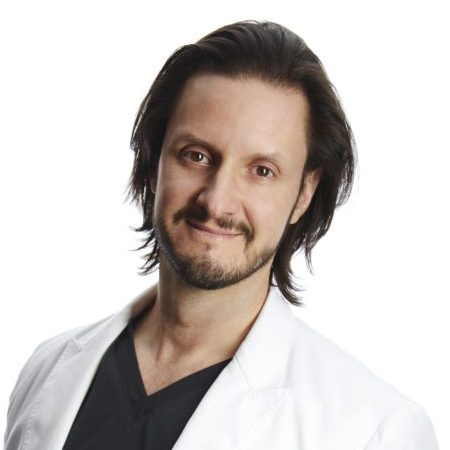
Dusan Sajic, MD, PhD
Richard Backstein, MD

Sonja Sajic, CCPA

Toni Alberto, CCPA
With more than 20 years of experience, deRMA Skin Institute strive to offer patients the most advanced treatments available to keep their skin healthy and looking its best. Board Certified Dermatologist, Dusan Sajic, MD, PhD, board-certified Plastic and Reconstructive Surgeon, Richard Backstein, MD, FRCSC, Sonja Sajic, CCPA, and Toni Alberto CCPA are committed to providing state-of-the-art medical, surgical and cosmetic treatments to all patients in Guelph, Cambridge, Kitchener, Hamilton, Milton, and surrounding areas.
Contact Us
Fields marked * are required
If you are an existing patient inquiring about appointments and services, please contact
Guelph Cosmetic Department: (888) 803-3762 cosmetic@dermaskininstitute.com
Guelph Medical Department: (519) 836-8558 patientcare@dermaskininstitute.com