Acne scarring can persist long after active breakouts have resolved, affecting skin texture, tone, and overall confidence. For many patients, improving the appearance of acne scars requires treatments that go beyond topical skincare.
At Derma Skin Institute in Guelph, we offer acne scar resurfacing using advanced laser and energy-based technologies to improve skin texture, reduce visible scarring, and support long-term skin renewal. Treatment plans are customized based on the type and severity of scarring, as well as your skin type and goals.
What Is Acne Scar Resurfacing?
Acne scar resurfacing refers to a range of laser- or energy-based treatments designed to improve the appearance of acne scars by stimulating skin renewal and collagen production.
At Derma Skin Institute, we use fractional laser technologies, including ablative and non-ablative approaches, to target scarred tissue while preserving surrounding skin to support healing. Depending on your needs, treatment may range from moderate resurfacing to more intensive correction for deeper or more textured scars.
For patients requiring more advanced correction, deeper resurfacing options such as CO2 laser treatments may also be recommended.
Early treatment of active acne may also help reduce the likelihood of more severe or long-term scarring. Inflammatory acne, particularly deeper cystic breakouts, can increase the risk of permanent textural changes if left untreated. Seeking professional acne treatment early may help minimize ongoing inflammation and support healthier skin healing over time.
Depending on your skin and acne type, treatment recommendations may include medical-grade skincare, prescription therapies, chemical peels, CO2 laser treatments, or other dermatologist-guided approaches designed to help manage breakouts and reduce future skin damage.
What Does Acne Scar Resurfacing Treat?
Acne scar resurfacing is used to improve a variety of scar types and skin texture concerns.
Common concerns treated include:
- Atrophic acne scars (including boxcar and ice pick scars)
- Uneven skin texture
- Post-acne skin irregularities
- Redness associated with scarring
- Enlarged pores
Treatment can be performed on multiple areas, including the face, chest, back, neck, and shoulders.
How Does Acne Scar Resurfacing Work?
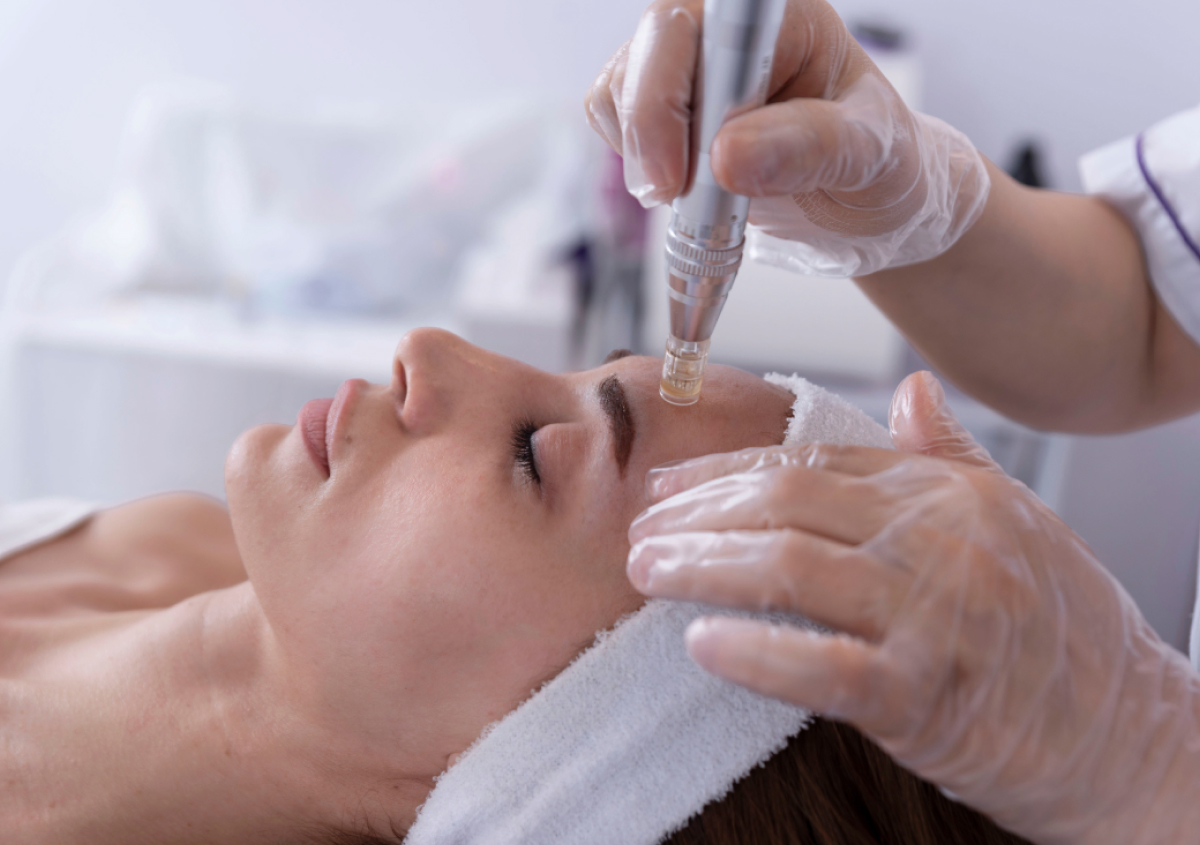
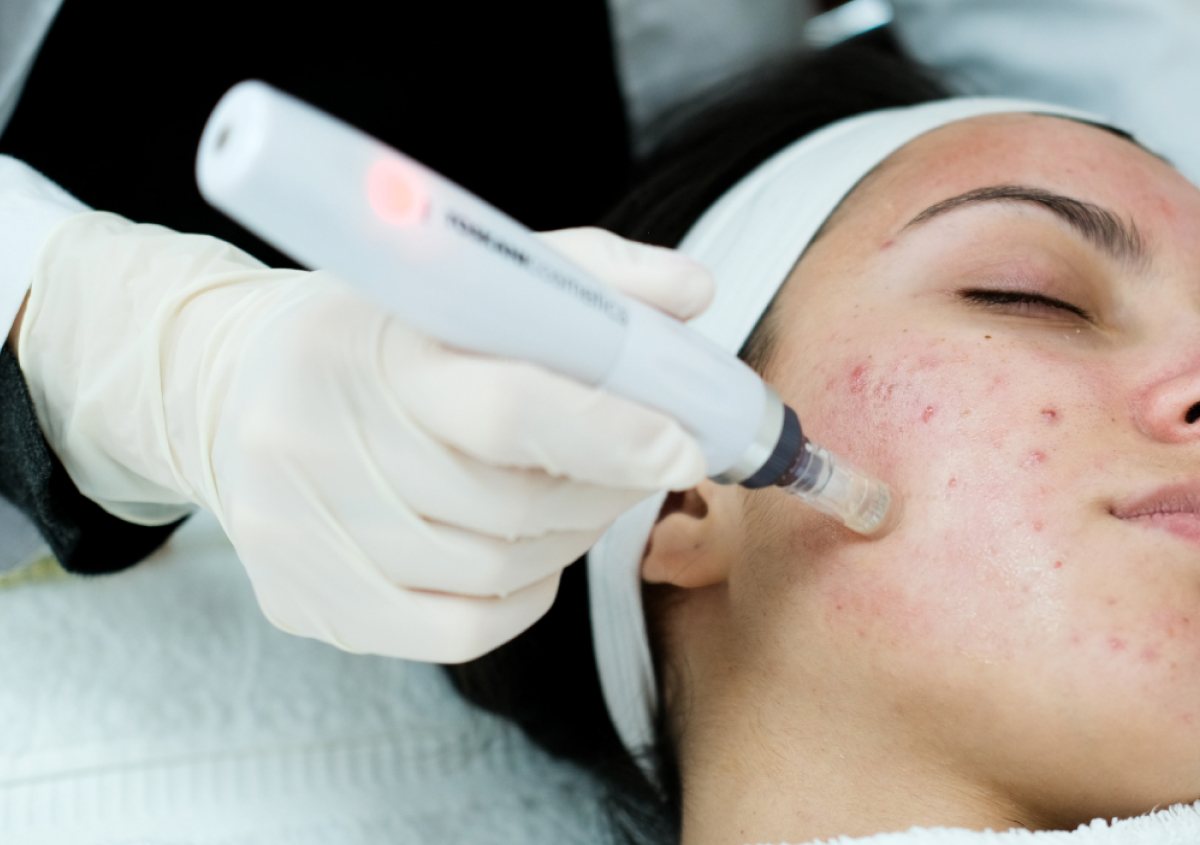
Laser or energy resurfacing treatments use controlled thermal energy to remove or remodel damaged skin tissue while stimulating the production of new collagen.
In ablative treatments, the outer layer of damaged skin is carefully removed, allowing new skin to regenerate. In non-ablative approaches, energy is delivered beneath the skin’s surface to stimulate collagen without removing the top layer. Fractional technologies create microscopic treatment zones while leaving surrounding skin intact, helping to accelerate healing and reduce downtime.
As the skin heals, patients typically notice smoother texture, improved tone, and a reduction in the depth and visibility of acne scars.
Why Choose Derma Skin Institute for Acne Scar Resurfacing?
Treating acne scars effectively requires a tailored approach and a deep understanding of laser and energy technologies. At Derma Skin Institute, treatments are guided by experienced providers who assess your skin and recommend the most appropriate approach based on scar type, severity, and treatment goals.
Our clinic offers a range of advanced treatment options, including Erbium YAG, fractional CO2 (eCO2), Fraxel, RF microneedling, and TCA chemical peels, allowing us to customize treatment intensity and outcomes based on your skin type, scar severity, and treatment goals.
Patients choose Derma Skin Institute because we emphasize:
- Dermatology-led expertise
- Advanced laser and energy technologies
- Personalized treatment planning
- Experience treating a wide range of acne scar types
How many acne scar resurfacing treatments will I need?
The number of treatments depends on the type and severity of your acne scars, as well as the treatment approach used. Some patients benefit from a series of treatments, while others may see significant improvement with a single, more intensive session.
Your provider will recommend a personalized treatment plan during your consultation.
What is the recovery time after acne scar resurfacing?
Recovery time varies depending on the type and intensity of the treatment. More intensive resurfacing treatments may involve several days of downtime, followed by redness that can persist for three to five days .
Your provider will guide you on what to expect and how to care for your skin during the healing process.
When will I see results from acne scar resurfacing?
Results develop gradually as the skin heals and new collagen forms. Many patients begin to notice improvements within the first couple of weeks, with continued improvement over time.
It’s important to note that while laser treatments can significantly improve the appearance of acne scars, they may not completely eliminate them.
What areas can be treated?
Acne scar resurfacing is most commonly performed on the face but can also be used to treat the chest, back, neck, and shoulders.
Schedule A Consultation
If you are considering acne scar resurfacing in Guelph, our team at Derma Skin Institute can help determine the most appropriate treatment approach for your skin.During your consultation, we will assess your skin, review your goals, and develop a personalized treatment plan.
Request a consultation using our online form or call (888) 803-3762 to schedule your visit.
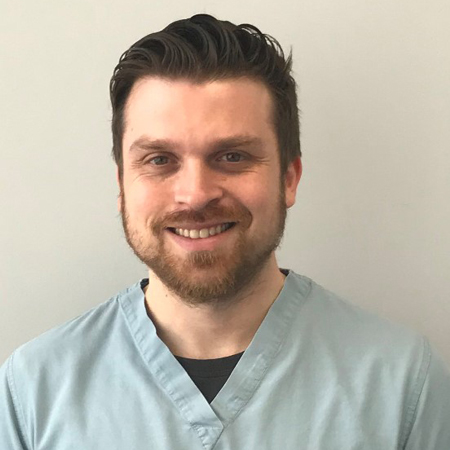
Dusan Sajic, MD, PhD
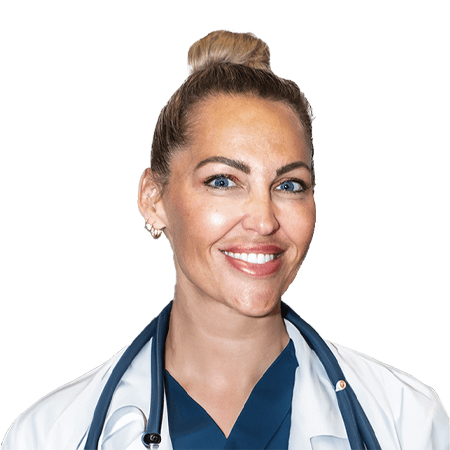
Richard Backstein, MD
Sonja Sajic, CCPA

Toni Alberto, CCPA
With more than 20 years of experience, deRMA Skin Institute strive to offer patients the most advanced treatments available to keep their skin healthy and looking its best. Board Certified Dermatologist, Dusan Sajic, MD, PhD, board-certified Plastic and Reconstructive Surgeon, Richard Backstein, MD, FRCSC, Sonja Sajic, CCPA, and Toni Alberto CCPA are committed to providing state-of-the-art medical, surgical and cosmetic treatments to all patients in Guelph, Cambridge, Kitchener, Hamilton, Milton, and surrounding areas.
See the Future of Your Skin
Introducing SajicAge™ AI, an advanced facial aging assessment designed to help you visualize how your face may age over time and explore treatment options tailored to your goals.
Upload a photo, complete a brief assessment, and receive personalized facial aging predictions and treatment recommendations tailored to your goals.