


COSMETIC:
(888) 803-3762
MEDICAL:
(519) 836-8558

06
Oct
Microneedling For Melasma: What Dermatologists Say
The emergence of microneedling as an effective treatment for melasma is an exciting development. Historically, melasma has been among the most difficult skin conditions to treat. The blotchy, dark patches that typically occur on the face can affect both women and men but are commonly associated with pregnant women. That’s why melasma is often called the “pregnancy mask.” Treating melasma with microneedling at our Guelph dermatology practice is becoming increasingly popular.
What Is Melasma?
Melasma is a chronic skin condition characterized by hyperpigmentation that usually occurs on the cheeks, forehead, chin, upper lip, or nose. It’s caused when an excessive amount of melanin—a pigment that darkens the skin and hair—accumulates in certain areas. Even though dermatologists can treat melasma in various ways, the condition can’t be cured, and patients often experience flare-ups after spending time in the sun, after strenuous workouts, or simply because of changing hormone levels.
What Treatments Are Used For Melasma?
There are several reasons melasma is such a stubborn condition. One factor is that it’s often found in the dermis (the skin’s middle layer) in addition to appearing on the skin’s surface. Whitening creams may minimize the surface melasma but won’t affect the deeper layers of skin.
In addition to oral medications, vitamins (including Vitamin A in retinoids), and whitening creams, gentle chemical peels are among the most common melasma treatments. A trichloroacetic acid (TCA) peel can be adjusted to treat the skin at various depths. By using a conservative approach, we can perform multiple TCA peels to minimize the appearance of melasma.
Heat-based treatments such as lasers can actually cause more harm than good for melasma patients. That’s because the heat generated by the procedure can stimulate the formation of additional pigment in the weeks after treatment.
Treating Melasma With Microneedling
Microneedling has become a very popular skin rejuvenation treatment for patients concerned about early signs of aging or acne scars. A microneedling procedure involves gliding a pen-shaped device tipped with tiny needles across the skin, creating micro-channels at customized depths. These controlled injuries stimulate the body’s repair mechanism, creating new collagen that’s essential for smooth skin.
Additionally, these tiny channels provide an efficient conduit for funneling medications that treat melasma at the skin’s deeper layers. Highly concentrated prescription agents, including tranexamic acid (TXA), glutathione, vitamin C, and niacinamide, penetrate the skin either as the channels are created or immediately after the microneedling treatment. Recent studies of tranexamic acid, a synthetic version of an essential amino acid, have shown that it may actually prevent melasma from developing in some cases.
Is microneedling good for melasma on the face?
Microneedling can help melasma on the face, mainly as an add-on to topical treatment rather than as a stand-alone fix. A 2022 meta-analysis in the Journal of the American Academy of Dermatology pooled twelve studies and 459 patients. Its authors concluded that microneedling is a useful adjuvant to topical therapies for melasma.
On its own, the evidence is thinner. A 2020 systematic review found less evidence for microneedling as monotherapy. Based on low-quality evidence, it suggested the benefit likely comes from helping topical products reach the epidermis and dermis, with a very low risk of post-inflammatory hyperpigmentation.
The 2022 analysis found microneedling well tolerated, with no serious adverse events reported. It excluded radiofrequency microneedling, so its findings do not apply to that version of the treatment.
Does microneedling with tranexamic acid work for melasma?
Microneedling combined with tranexamic acid (TXA) shows promise, but the research is still maturing. A 2025 meta-analysis found it no better overall than other treatments, though it was significantly more effective than microneedling alone. A 2024 meta-analysis of 16 trials of microneedling with topical TXA called it an alternative option and said better-designed studies are needed.
The American Academy of Dermatology notes that tranexamic acid can be applied to the skin or taken as a pill, and that in studies it decreased melasma patches when other treatments failed to work.
How long do results take, and does melasma come back?
Improvement is gradual. In the 2022 meta-analysis, topical therapy with microneedling showed a large effect beyond 8 weeks, with the best results at 12 weeks. The American Academy of Dermatology says that, with a treatment plan, results usually take 3 to 12 months, and longer for long-standing melasma or darker skin tones.
Melasma can return, because treatment cannot make it go away forever, according to the American Academy of Dermatology. Daily sun protection matters: it recommends broad-spectrum sunscreen of SPF 30 or higher through the day, and a tinted sunscreen if a white cast is the reason you skip it. If you are pregnant, it advises waiting until after the baby to treat melasma.
Some melasma treatments can irritate darker skin and make melasma darker, so the plan should be matched to your skin. For a full overview of options, see the melasma and hyperpigmentation treatment guide.
Why A Dermatologist Is Best For Treating Melasma
Even though you can find medspas or plastic surgery offices that offer melasma treatments, only Royal College-certified dermatologists have the training in treating skin conditions and knowledge of unique skin types that make them the best choice for melasma treatments.
At deRMA Skin Institute, Dr. Dusan Sajic customizes treatments based on the patient’s specific needs and often combines techniques to provide the most comprehensive results. Patients concerned about melasma come to our dermatology practice in Guelph from Kitchener, Cambridge, and throughout Southwestern Ontario.
If you’re looking for a dermatologist in the Guelph area and want to learn more about treating melasma with microneedling, you can contact us using the online form to request a consultation or call our cosmetic dermatology office at (888) 803-3762 to schedule an appointment.
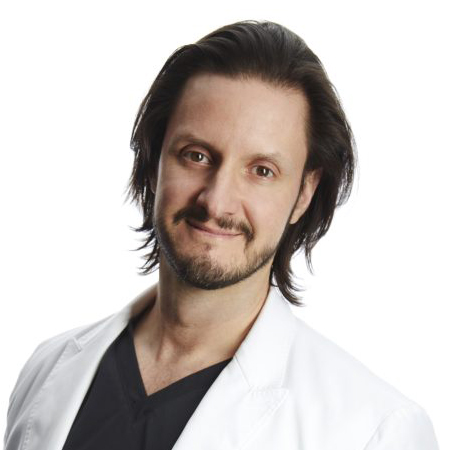
Dusan Sajic, MD, PhD
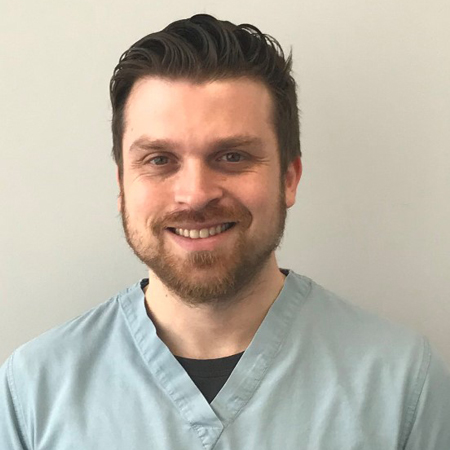
Richard Backstein, MD
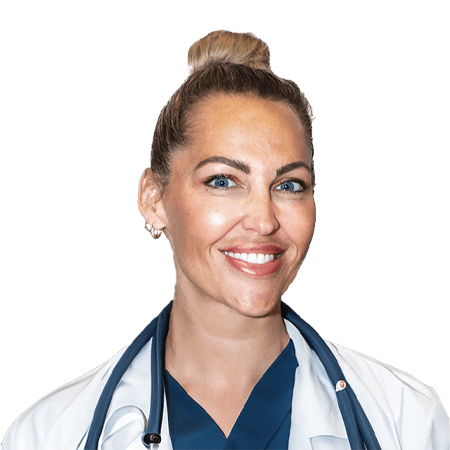
Sonja Sajic, CCPA

Toni Alberto, CCPA
With more than 20 years of experience, deRMA Skin Institute strive to offer patients the most advanced treatments available to keep their skin healthy and looking its best. Board Certified Dermatologist, Dusan Sajic, MD, PhD, board-certified Plastic and Reconstructive Surgeon, Richard Backstein, MD, FRCSC, Sonja Sajic, CCPA, and Toni Alberto CCPA are committed to providing state-of-the-art medical, surgical and cosmetic treatments to all patients in Guelph, Cambridge, Kitchener, Hamilton, Milton, and surrounding areas.
Contact Us
Fields marked * are required
If you are an existing patient inquiring about appointments and services, please contact
Guelph Cosmetic Department: (888) 803-3762 cosmetic@dermaskininstitute.com
Guelph Medical Department: (519) 836-8558 patientcare@dermaskininstitute.com