

COSMETIC:
(888) 803-3762
MEDICAL:
(519) 836-8558

29
Apr
GLP-1 Weight Loss and Facial Aging: Understanding and Treating “Ozempic Face”
The rise of GLP-1 medications such as Ozempic® has changed how patients approach weight loss. Alongside these changes, there has been a growing awareness of the impact that weight loss can have on facial appearance.
Recent research, including a peer-reviewed publication co-authored by Dr. Sajic, has shown that public interest in the aesthetic effects of GLP-1 medications is increasing rapidly, with search trends for terms like “Ozempic face” rising significantly. This reflects a shift in how patients understand the relationship between weight loss and facial aging. Concern about facial aging from GLP-1 medications is rising faster than interest in weight loss itself.
While these changes are often attributed to weight loss alone, emerging research and clinical observation suggest a more complex process. In addition to fat loss, the skin and underlying structures may respond differently to the metabolic and physiological changes associated with GLP-1 medications, influencing how these changes appear over time.
The term “Ozempic face” is used to describe this combination of volume loss, skin laxity, and structural change. At Derma Skin Institute in Guelph, we view these changes as part of a broader, multi-layered aging process. Through the 5 Dimension Skin Plan™, we assess and treat each layer intentionally, recognizing that meaningful, natural-looking results require more than a single treatment approach.
What Is “Ozempic Face” and Why Does It Happen?
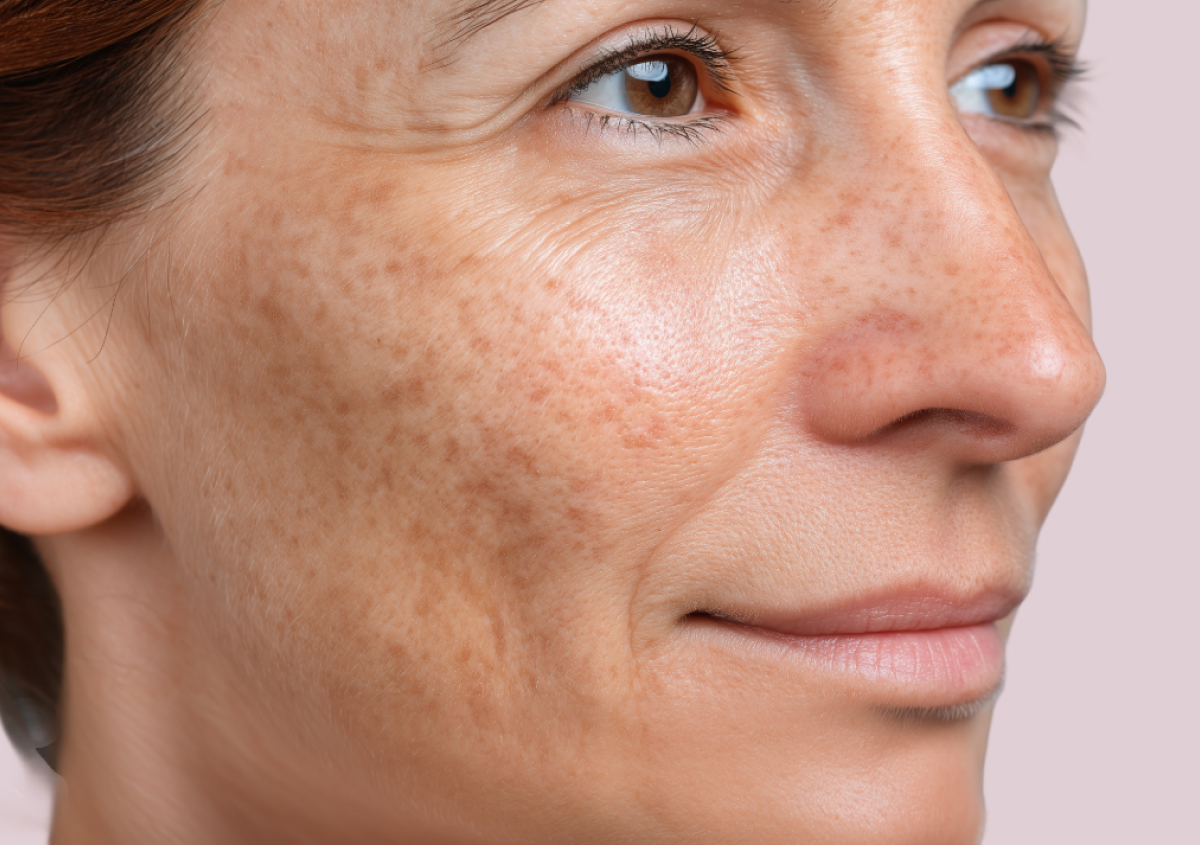
“Ozempic face” is commonly used to describe facial changes that can occur alongside weight loss, particularly when weight is lost more rapidly. These changes may include:
- Loss of facial volume, particularly in the cheeks and midface
- Increased skin laxity or sagging
- More prominent lines, folds, or hollowing
- A less defined or less supported facial contour
While often associated with weight loss, this process is not driven by a single factor. In addition to fat loss, shifts in skin quality, collagen production, and overall tissue support may also contribute to how these changes present. In many cases, these concerns can be improved with the right combination of treatments, depending on their underlying causes and severity.
Why Facial Aging Can Accelerate During Weight Loss
Facial aging is a layered process involving the skin, fat, muscle, and bone. Weight loss can influence several of these layers at once.
Loss of Facial Volume
Fat plays an important role in maintaining youthful facial contours. As volume decreases, the face may appear more hollow, and underlying structures become more visible.
Changes in Skin Quality
Collagen, elastin, and hyaluronic acid production naturally decline over time. When volume is lost, the skin may not fully retract, contributing to laxity and textural changes.
Structural Support and Skin Laxity
As the deeper support structures of the face change, the skin may begin to descend. This can lead to early jowling, softening of the jawline, and changes in facial proportions.
In the context of GLP-1–associated weight loss, these changes may become more noticeable due to both the rate of weight loss and individual variability in how the skin adapts to these shifts.
A Multi-Dimensional Approach to Treatment
Because these changes occur across multiple layers, treatment must be equally comprehensive. The 5 Dimension Skin Plan™ considers:
- Skin quality and texture
- Volume and contour
- Structural support
- Muscle movement
- Overall facial balance
Rather than focusing on a single concern, this approach allows for a more precise and natural-looking outcome.
Restoring Volume and Facial Contours
As volume loss is often one of the most visible changes associated with “Ozempic face,” restoring facial structure is a key component of treatment. Dermal fillers may be used to rebuild volume in the cheeks and midface, improve contour and facial proportions, and support areas prone to hollowing or deflation.
In some cases, biostimulatory fillers may also be incorporated to support longer-term collagen production. At Derma, we may use a combination approach, such as the Gold Protocol, which includes both hyaluronic acid and biostimulatory fillers to help rebuild foundational support, or “scaffolding,” within the skin. This approach supports collagen over time while addressing visible volume loss.
At Derma Skin Institute, fillers are used conservatively and strategically to restore balance, rather than create excess volume.
Improving Skin Firmness and Structural Support
Skin laxity is another common concern, particularly when the skin does not fully retract after volume loss. Different technologies can be used depending on the depth and severity of laxity.
RF microneedling combines controlled micro-injuries with radiofrequency energy to stimulate collagen and elastin production beneath the surface of the skin. This improves firmness, texture, and overall skin quality with minimal downtime.
For patients experiencing more advanced or deeper laxity, Ultherapy® may be recommended. This ultrasound-based treatment targets deeper structural layers of the skin responsible for lifting and support, helping to improve areas such as the brow, jawline, and neck without surgery.
In cases where more significant resurfacing and collagen remodeling are required, fractional CO2 laser resurfacing (eCO2™) can be used to improve both skin texture and firmness. By stimulating deeper collagen production while addressing surface damage, it supports more comprehensive skin renewal.
Refining Skin Texture and Surface Quality
Changes in skin texture often become more noticeable following weight loss, particularly when combined with sun damage or existing signs of aging. Treatments such as CO2 laser resurfacing, Fraxel®, and microneedling, and PRP microneedling can help smooth fine lines, improve tone and texture, and support overall skin resilience. These treatments work by stimulating the skin’s natural regenerative processes, improving both appearance and function over time.
Supporting Long-Term Skin Health
Facial aging is not a single event, but an ongoing process. Maintaining results requires continued support of the skin’s underlying structure and function. Depending on your goals, this may include maintenance treatments such as RF microneedling, periodic collagen-stimulating procedures, and medical-grade skincare to support skin health.
This long-term approach aligns with how we plan treatments at Derma, supporting the skin not only in the present, but over time.
A Personalized Approach to Facial Aging
There is no single treatment that defines or corrects “Ozempic face.” The most effective approach depends on your individual anatomy, the degree of change, and your long-term goals.
At Derma Skin Institute in Guelph, treatment planning is always individualized. Informed by both clinical experience and ongoing research, including Dr. Sajic’s work in this area, we assess the skin, volume, and structural support of the face to recommend a strategy that restores balance while maintaining a natural appearance.
Book a Consultation at Derma Skin Institute in Guelph
If you are noticing changes in your skin or facial contours following medical weight loss, a personalized assessment can help determine the most appropriate approach. Book a consultation at Derma Skin Institute in Guelph to learn more about your options and develop a treatment plan tailored to your needs.
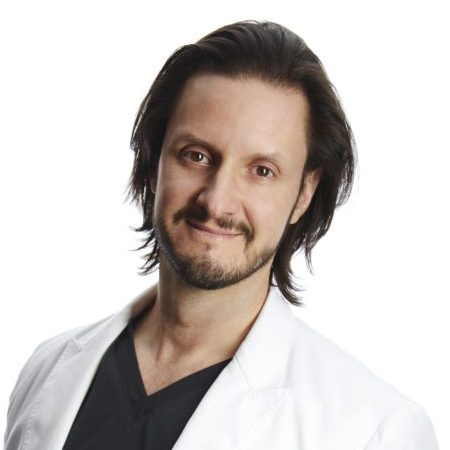
Dusan Sajic, MD, PhD
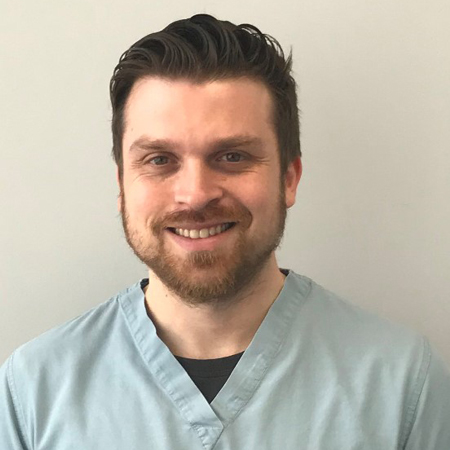
Richard Backstein, MD
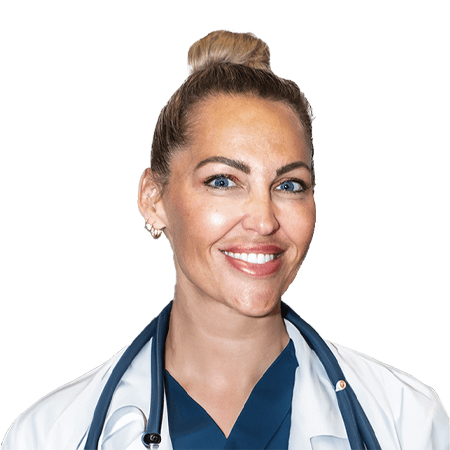
Sonja Sajic, CCPA

Toni Alberto, CCPA
With more than 20 years of experience, deRMA Skin Institute strive to offer patients the most advanced treatments available to keep their skin healthy and looking its best. Board Certified Dermatologist, Dusan Sajic, MD, PhD, board-certified Plastic and Reconstructive Surgeon, Richard Backstein, MD, FRCSC, Sonja Sajic, CCPA, and Toni Alberto CCPA are committed to providing state-of-the-art medical, surgical and cosmetic treatments to all patients in Guelph, Cambridge, Kitchener, Hamilton, Milton, and surrounding areas.
Contact Us
Fields marked * are required
If you are an existing patient inquiring about appointments and services, please contact
Guelph Cosmetic Department: (888) 803-3762 cosmetic@dermaskininstitute.com
Guelph Medical Department: (519) 836-8558 patientcare@dermaskininstitute.com